Small Apartment Heating Layout Guide
Strategic heater placement maximizes comfort and efficiency in compact spaces. Learn how to create warm zones, avoid cold spots, and maintain healthy air quality throughout your apartment.
Best Heater Placement Schemes
Effective heating layout considers room flow, furniture placement, and natural heat movement. The goal is creating even warmth without wasting energy on unused areas.
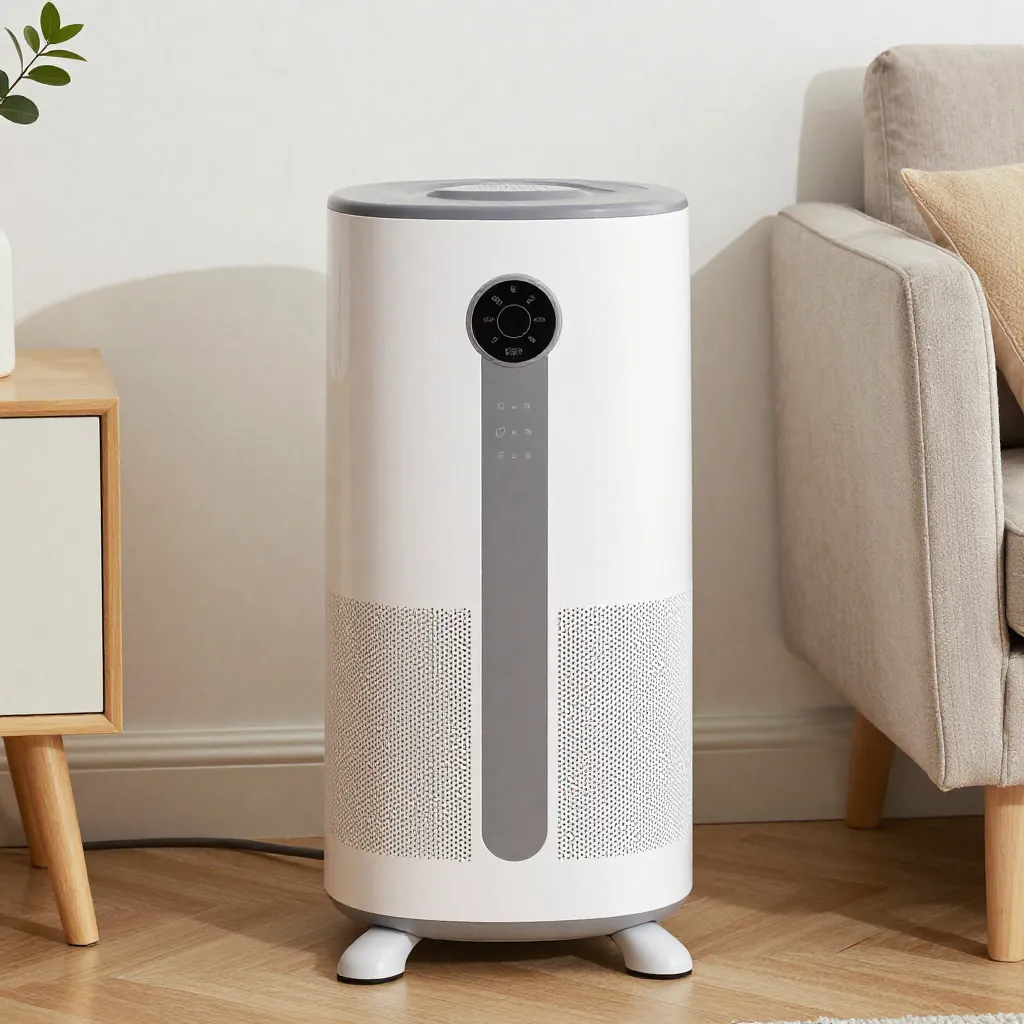
Central Placement Strategy
Position heaters near room centers or along primary traffic paths. This allows heat to radiate evenly in all directions, warming the entire space efficiently.
Perimeter Approach
Place heating elements along exterior walls, especially near windows and doors. This counteracts cold air infiltration and creates a warm barrier.
Zone-Based Layout
Divide your apartment into heating zones based on usage. Focus energy on frequently used areas like living spaces and bedrooms.
Vertical Distribution
Use wall-mounted or ceiling-mounted units to keep floor space free while ensuring heat reaches all levels of the room.
Diagrams for Small Studio Apartments
Studio apartments present unique challenges with open layouts and limited wall space. Here are effective patterns for common studio configurations:
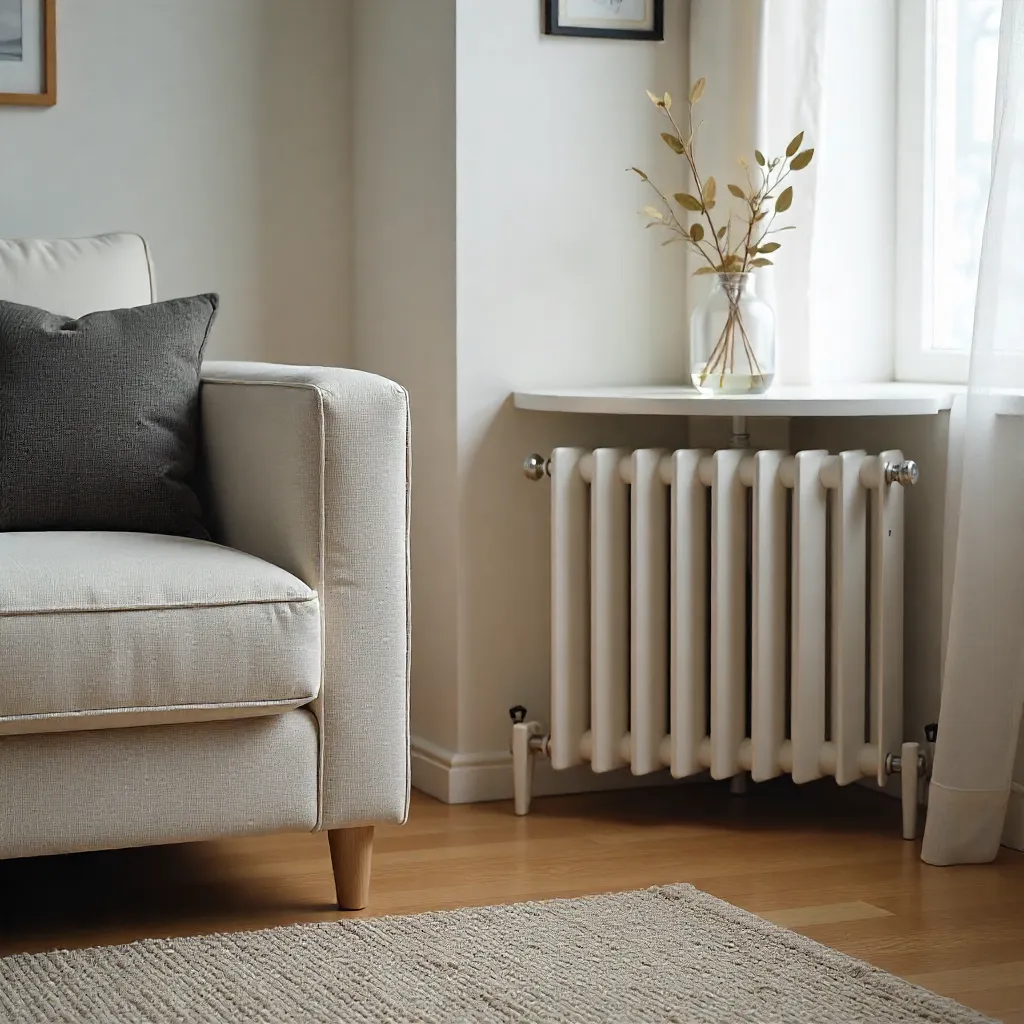
Single Zone Studio Pattern
For studios under 400 square feet, one well-placed heater often suffices. Position it:
-
Near the Bed Area
Ensures comfortable sleeping temperatures without overheating the entire space.
-
Between Living and Sleeping Zones
Creates a warm buffer that benefits both areas while maintaining separation.
-
On Interior Wall
Avoids competing with cold windows while allowing heat to circulate freely.
Multi-Zone Studio Pattern
For larger studios or those with distinct areas, consider two smaller units:
-
Living Zone Heater
Position near seating area, typically 2-3 feet from furniture for optimal comfort.
-
Sleeping Zone Heater
Place near bed but not directly above it. Wall-mounted options work well here.
Avoiding Cold Zones
Cold zones occur when heat doesn't circulate properly. Understanding heat flow helps prevent these uncomfortable areas.
Identify Problem Areas
Common cold zones include corners, areas behind large furniture, spaces near exterior doors, and rooms with multiple windows.
Improve Air Circulation
Ensure heaters aren't blocked by furniture. Leave at least 12-18 inches of clearance around heating units for proper airflow.
Use Reflective Surfaces
Place reflective panels behind radiators or use light-colored walls to help distribute heat more evenly.
Strategic Furniture Placement
Avoid placing large furniture directly in front of heaters. Use lower furniture or open shelving to allow heat passage.
Safe Distances from Furniture
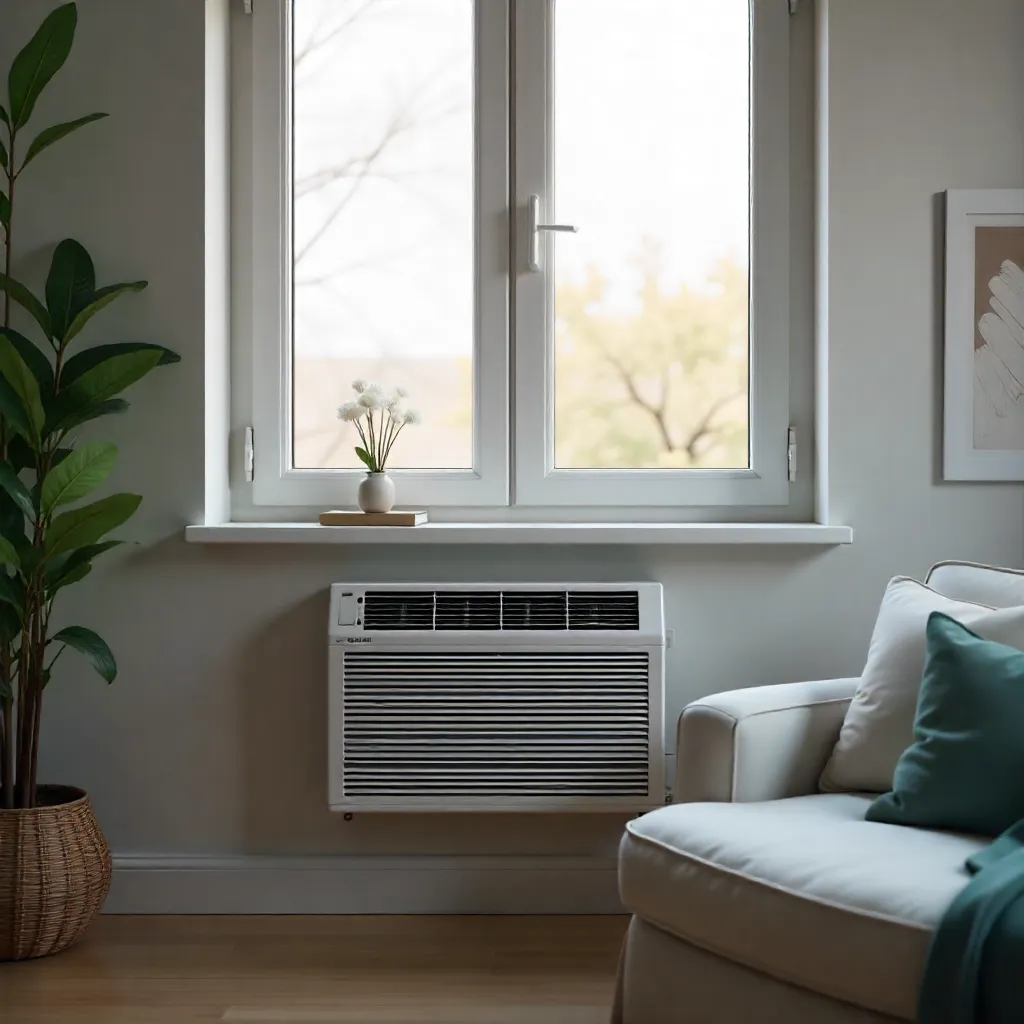
Maintaining proper clearance ensures both safety and efficiency. Different heater types require different spacing.
-
Wall-Mounted Heaters
Maintain at least 12 inches clearance from furniture below. Keep curtains and decorations at least 6 inches away from sides.
-
Free-Standing Units
Leave 18-24 inches of space on all sides. Never place directly against walls or under furniture.
-
Baseboard Heaters
Keep furniture at least 6 inches away from front. Avoid placing rugs or carpets directly over heating elements.
-
Radiators
Maintain 12-18 inches clearance in front. Ensure nothing blocks the top surface where heat rises.
Heat Reflection Tips
Maximizing heat reflection improves efficiency and reduces energy consumption. Simple adjustments can significantly enhance warmth distribution.
Reflective Panels
Install reflective foil or panels behind radiators and wall-mounted heaters. This directs heat into the room instead of warming exterior walls.
Light Colors
Light-colored walls and ceilings reflect heat better than dark surfaces. Consider this when choosing paint colors.
Mirror Placement
Strategic mirror placement can help reflect heat into living areas, though avoid direct reflection onto heating units.
Window Treatments
Use thermal curtains that reflect heat back into the room while blocking cold from windows.
How to Avoid Drying Air Too Much
Maintaining healthy humidity levels is crucial for comfort and health. Many heating systems can reduce indoor humidity, but there are ways to balance warmth and moisture.
-
Choose Humidifying Heaters
Some modern heaters include built-in humidification features that maintain comfortable moisture levels.
-
Use Separate Humidifiers
Small room humidifiers can complement heating systems, especially in bedrooms during sleep hours.
-
Monitor Humidity Levels
Keep indoor humidity between 30-50%. Hygrometers help track levels and guide adjustments.
-
Lower Temperature Settings
Moderate heating reduces air drying. Aim for 18-20°C (64-68°F) for comfortable warmth without excessive dryness.
-
Natural Moisture Sources
Houseplants, water bowls, and proper ventilation help maintain natural humidity balance.
Practical Layout Checklist
Use this checklist when planning your heating layout:
-
Measure Your Space
Calculate room dimensions and identify primary use areas.
-
Map Furniture Placement
Plan where large items will sit to avoid blocking heat flow.
-
Identify Windows and Doors
Note exterior openings that may create cold zones.
-
Consider Daily Routines
Focus heating on areas where you spend most time.
-
Plan for Safety
Ensure all clearances meet safety requirements.